- 1 Commonwealth Ln, Singapore 149544
- bags@velarentique.com
Free Shipping and Flat 20% Discount Applicable

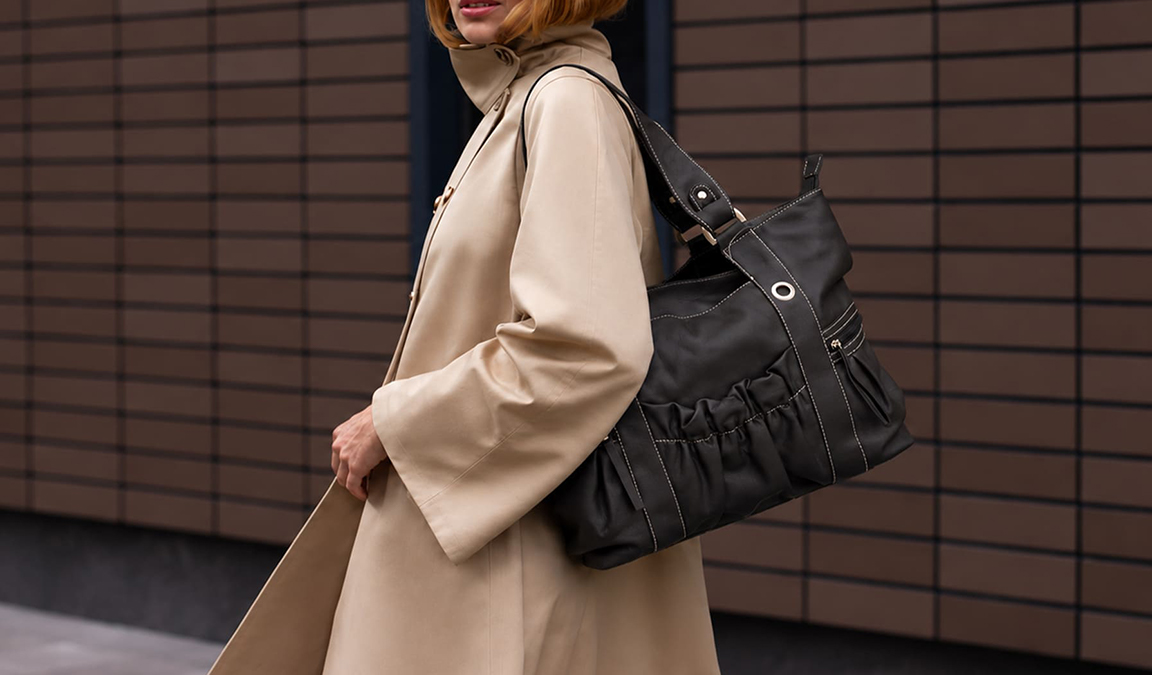
Some handbags win the first five minutes exceptionally well. You suddenly start mentally building outfits around it, as the silhouette looks sharp, the hardware catches the light, and the proportions feel deliberate. Issues emerge as you actually carry the handbag.
The strap slides off your shoulder. The opening requires both hands. Your phone disappears into an awkward corner. The beautiful metal clasp becomes a tiny daily negotiation. By lunchtime, the bag you admired is testing your patience. This is the gap between visual appeal and carrying experience.
A handbag can look fantastic while quietly creating friction throughout your day. Learning to recognize those friction points before buying can help you choose a bag that remains appealing long after the first impression fades.
Beauty and Usability Are Different Questions
It is easy to judge a handbag by appearance because appearance is what you encounter first. Shape, color, texture, hardware, stitching, and decorative details can all create immediate attraction. None of those qualities, however, tells you exactly what carrying the bag will feel like.
Usability lives elsewhere. It is found in the strap width, handle drop, opening size, empty weight, interior layout, closure mechanism, and accessibility of frequently used items.
This creates two separate questions:
- Do I like looking at this handbag?
- Would I like using this handbag?
The strongest purchase decisions consider both. A handbag does not need to sacrifice visual personality for practicality. You simply need to recognize that an attractive design and an enjoyable carrying experience are not automatically the same thing.
The Strap Can Change Everything
A strap may look like a minor component, but it determines much of your physical interaction with a handbag. Start with width. A narrow strap can complement a compact design beautifully, but its carrying experience may change once the bag is filled. The weight becomes concentrated across a smaller area.
A wider strap distributes that load differently. Length matters too. A shoulder strap that sits comfortably on one person may feel awkward on another. Crossbody straps can position a bag too high or low depending on adjustability and body proportions.
Then there is movement.
- Does the strap remain in position while walking?
- Does it twist? Does the bag bounce excessively?
- Can the strap be adjusted easily?
A gorgeous bag attached to an irritating strap can quickly lose its charm.
Handles Need Realistic Clearance
Carry handles create clean lines and can give handbags a distinctive silhouette. But handle dimensions deserve closer inspection. Some handles are designed primarily for carrying by hand. Others provide enough clearance for the forearm or shoulder.
Problems arise when shoppers assume one carrying method will work without checking the measurements. A handle that nearly fits over your shoulder can be particularly frustrating. You may manage it, but clothing thickness can change everything.
A fit that works with a thin shirt may become impossible with a jacket. Check the handle drop whenever that measurement is available. Then think about how you naturally prefer to carry a bag. A beautiful handle is less useful when it constantly forces you into a carrying position you dislike.
Heavy Before You Add Anything
One of the easiest handbag problems to overlook online is empty weight. Structured materials, substantial hardware, decorative chains, reinforced bases, multiple compartments, and thick construction can add considerable weight before you place a single belonging inside.
Then come the essentials. Phone. Wallet. Keys. Sunglasses. Charger. Cosmetics. Water bottle. Notebook. Individually, they seem manageable. Together, they can transform a moderately heavy handbag into something you notice throughout the day.
When product weight is provided, do not consider it as background information. Compare it with bags you already use. If weight is unavailable, examine the construction. A large bag with extensive metal hardware and substantial structural elements is unlikely to feel weightless.
Complicated Closures Get Old Quickly
An elaborate closure can become one of a handbag's defining visual details. Twist locks, buckles, clasps, drawstrings, layered flaps, and unusual fastening systems can add character. Now imagine opening that closure fifteen times in one day.
The experience may change. A closure that feels satisfying during an occasional outing could become annoying on a daily commute or while running errands. Think about access frequency. If you regularly reach for your phone, wallet, keys, or earphones, every additional step between you and those belongings matters.
This does not mean every practical handbag needs an open above. It means the closure should suit the way you expect to use the bag.
A Small Opening Can Ruin Large Capacity
A handbag can have generous dimensions and still be difficult to use. The culprit is often the opening. Some designs have a wide base but a considerably narrower entrance. Your belongings fit inside, yet inserting and removing them becomes awkward.
This is particularly relevant for rigid bags. Soft materials can flex around larger objects. Structured openings may provide little flexibility. Look closely at product images showing the bag open.
- Does the zipper extend across majority of the upper?
- Do side panels restrict access?
- Does a flap interfere with visibility?
Capacity is only useful when you can access it conveniently. A spacious interior hidden behind an awkward opening is rather like having a large room with a tiny doorway.
Interior Design Can Create Daily Friction
Once you get inside the handbag, another question appears: where does everything go? A single large compartment provides flexibility but can become cluttered. Too many compartments create the opposite problem, forcing belongings into predefined spaces that may not suit them.
The practical middle ground depends on what you carry. Consider whether the interior allows frequently used items to remain accessible while keeping smaller belongings reasonably organized. Also check the lining.
A very dark interior can make small objects harder to spot, particularly inside a deep handbag. Interior color may seem insignificant until you are searching for a tiny item at the bottom. Practical design often hides in details that product photographs do not emphasize.
Structure Can Become Stubbornness
Structured handbags hold their shape beautifully. That architectural quality is part of their appeal. However, rigidity comes with trade-offs.
A stiff handbag may not adapt easily when you add an unusually shaped object. Corners can feel bulky against the body. A rigid base may make the bag less comfortable when carried close to your side.
Soft handbags create different challenges. They may collapse when placed down, allow contents to shift, or lose their intended silhouette when partially filled. Neither construction is inherently superior. The important question is whether the structure matches your expectations.
If you value predictable shape and defined organization, rigidity may work beautifully. If adaptability matters more, some flexibility may make daily use easier.
Hardware Can Become an Unexpected Irritation
Hardware adds visual character, but more metal can introduce practical complications. Large buckles can add weight. Decorative chains may become noisy. Raised details can catch on clothing. Metal feet can protect the base but add another element to the overall weight.
Even zipper pulls deserve attention. A beautiful decorative pull that is difficult to grip becomes far less charming when you are trying to open the bag quickly. Evaluate hardware as both decoration and equipment. Ask what each component contributes to the design and whether it affects everyday handling.
Sometimes an elaborate detail earns its place. Sometimes it simply gives you one more thing to wrestle with.
Perform the Imaginary Busy-Day Test
Product photographs usually present handbags under ideal conditions. Your life probably does not. So imagine the handbag during a busy day. You are walking quickly. Your phone rings. You need your keys. You are holding something in your other hand. You sit down, stand up, enter a vehicle, remove your wallet, put it back, and adjust the strap repeatedly.
- How does the handbag behave?
- Can you open it one-handed?
- Does it stay comfortably against your body?
- Can you quickly locate essential items?
- Does it need constant adjustment?
Match the Bag to Its Intended Role
Not every handbag needs maximum practicality. An occasional bag can reasonably prioritize appearance over capacity or rapid access. You might happily tolerate an unusual closure or compact interior because you carry it for only a few hours.
An everyday handbag faces a different standard. Frequent use magnifies tiny inconveniences. A mildly annoying clasp becomes considerably more annoying after hundreds of openings. Slightly uncomfortable handles become harder to ignore after repeated carrying.
Final Thoughts
A beautiful handbag does not become less beautiful because it has practical shortcomings. But those shortcomings can determine how often you actually want to carry it. Before buying, look beyond the photograph that first caught your attention.
Examine strap dimensions, handle clearance, empty weight, opening width, closure design, internal organization, structure, and hardware. Then picture an ordinary busy day rather than a ideally styled moment.
The goal is not to remove personality from handbag shopping. Quite the opposite. It is to find designs you can appreciate without quietly resenting them by the end of the afternoon. Because the real test of a handbag is not how good it looks sitting on a shelf.
It is whether you still like it when you have been carrying it for six hours.